Double-edge Microservices: APIs the New Singleton
The singleton pattern has got a bad reputation over the years due to be widely overused in the incorrect use cases. With the proliferation of microservices, have APIs become the new singleton?
I have observed quite a few articles lately that elaborate on issues with TDD. Nevertheless, they focused on the first letter but miss the focus of the other two letters.
In software development, over the last years we always talk about on cross-functional teams, as a good split of responsibilities to provide autonomy in teams. What does that mean? Why is this so? And what does it look like?
On our previous installments, we discussed the smells that can happen when splitting microservices, and the strategies that exist to make them as independent as possible. But how do we define boundaries? How do we define the process that our microservice is in charge off?
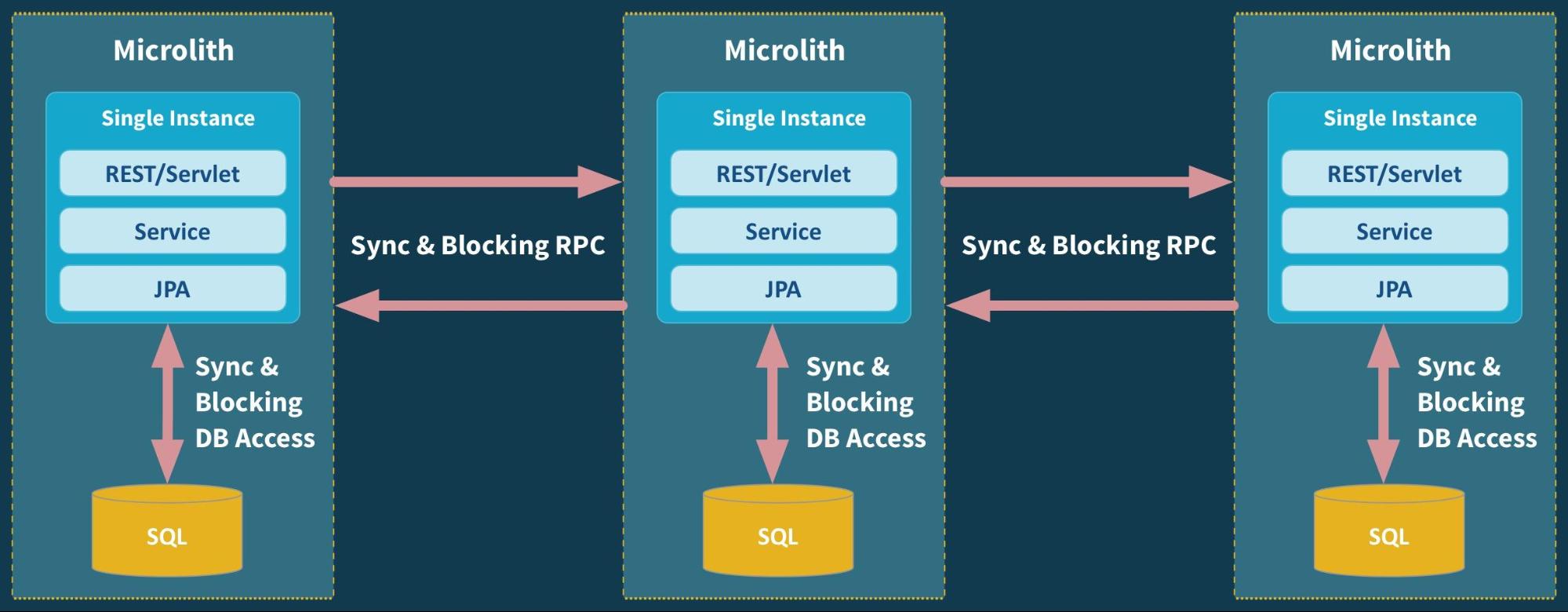
On the previous installment of this series, we discussed the pitfalls that could happen when we split a monolith into microservices. In specific, we talked about creating what are called microliths.

Given that you have followed the recommendations on designing your domains correctly. Today we are going to elaborate on patterns to remove that synchronous communication in between 'microservices'. This will help our services to become more resilient.